
Rehabilitating Sharon Orchards: A Family Legacy Reborn
Sharon Orchards has long been a cherished family estate, steeped in history and memories. However, as time marched on, the orchards fell into disrepair, leaving behind a shadow of their former glory. Today, we embark on a journey to explore the revitalization of this beloved family legacy, uncovering the challenges faced, the strategies employed, and the triumphs achieved in bringing Sharon Orchards back to life.
The History of Sharon Orchards
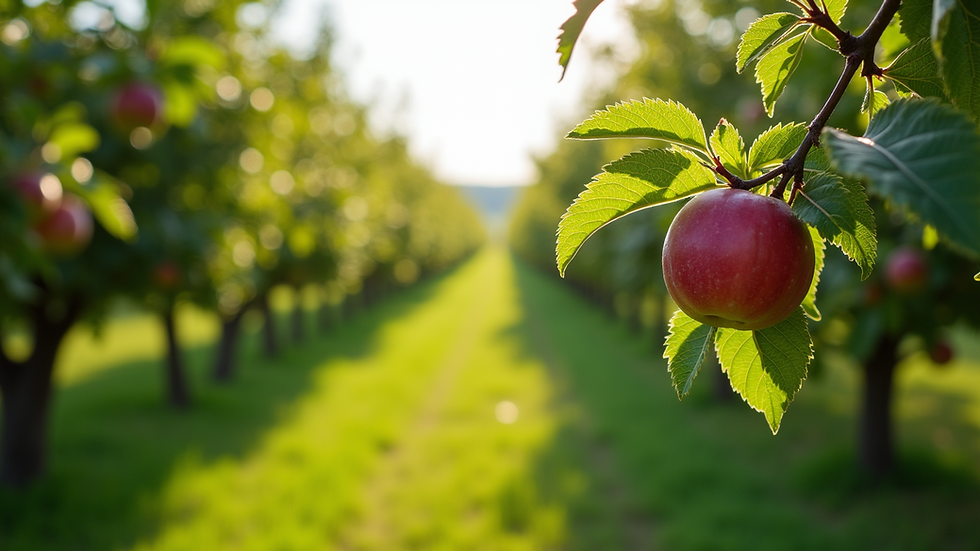
Sharon Orchards was established in the early 1900s by the Sharon family, who envisioned a thriving fruit farm that would serve the local community. Over the decades, the orchards flourished, producing a variety of fruits, including apples, pears, and cherries. The estate became a gathering place for family reunions, community events, and seasonal harvest festivals.
However, as the years went by, the family faced numerous challenges. Economic downturns, changing agricultural practices, and the passing of key family members led to a decline in the orchards' upkeep. By the early 2000s, the once-bustling estate was overgrown and neglected, leaving the family with a difficult decision: should they sell the land or attempt to restore it?
The Decision to Rehabilitate
After much deliberation, the Sharon family decided to take on the challenge of rehabilitating the orchards. This decision was fueled by a deep emotional connection to the land and a desire to honor their family's legacy. They understood that restoring the orchards would not only revive a piece of their history but also provide a sustainable source of income for future generations.
Setting Goals for the Rehabilitation
The family set clear goals for the rehabilitation project:
Restore the Land: Clear out overgrown areas, replant trees, and improve soil health.
Create a Sustainable Business Model: Develop a plan for producing and selling fruit, including potential agritourism opportunities.
Engage the Community: Involve local residents and organizations in the rehabilitation process to foster a sense of ownership and support.
The Rehabilitation Process
Assessing the Land
The first step in the rehabilitation process involved a thorough assessment of the land. The family hired agricultural experts to evaluate soil quality, tree health, and overall ecosystem conditions. This assessment revealed several key issues:
Soil Degradation: Years of neglect had led to nutrient depletion in the soil.
Pest Infestations: Invasive species had taken root, threatening the health of existing trees.
Water Management: Inefficient irrigation systems contributed to water waste and uneven distribution.
Developing a Restoration Plan
With the assessment in hand, the family worked with experts to develop a comprehensive restoration plan. This plan included:
Soil Remediation: Implementing organic composting and cover cropping to restore soil health.
Tree Pruning and Replacement: Removing dead or diseased trees and replanting with disease-resistant varieties.
Irrigation Improvements: Installing a modern drip irrigation system to optimize water usage.
Community Involvement
Recognizing the importance of community support, the Sharon family organized volunteer days where locals could help with planting and maintenance. These events not only provided much-needed labor but also fostered a sense of community around the orchards. Families brought their children, creating a new generation of orchard enthusiasts.
The Business Model
As the physical rehabilitation progressed, the family began to develop a sustainable business model. They explored various avenues for income generation, including:
Direct-to-Consumer Sales: Selling fresh fruit at local farmers' markets and through a subscription service.
Agritourism: Offering farm tours, pick-your-own fruit experiences, and seasonal events to attract visitors.
Workshops and Classes: Hosting educational sessions on sustainable farming practices and cooking with fresh produce.
Marketing the Orchards
To promote the revitalized orchards, the family utilized social media and local advertising. They shared their journey through blog posts, videos, and community newsletters, highlighting the transformation of Sharon Orchards and inviting people to visit.
Challenges Faced
Despite the enthusiasm and community support, the rehabilitation project was not without its challenges. Some of the key obstacles included:
Financial Constraints: The family had to secure funding for the restoration efforts, which required careful budgeting and planning.
Weather Conditions: Unpredictable weather patterns posed risks to newly planted trees and crops.
Learning Curve: The family had to adapt to modern agricultural practices, which required time and education.
Celebrating Successes
As the years passed, the hard work began to pay off. The orchards flourished, producing an abundance of fruit that was well-received by the community. The family celebrated several milestones:
First Harvest: The first successful harvest marked a significant achievement, bringing joy and pride to the family.
Community Events: The orchards hosted their first harvest festival, drawing in visitors and creating a festive atmosphere.
Sustainable Practices: The implementation of organic farming methods garnered positive attention and support from local environmental groups.
Looking Ahead
The future of Sharon Orchards looks bright. The family continues to refine their business model, exploring new opportunities for growth and sustainability. They remain committed to preserving the land for future generations, ensuring that the legacy of Sharon Orchards endures.
Engaging the Next Generation
To ensure the longevity of their efforts, the Sharon family is actively engaging younger family members in the orchard's operations. They are teaching them about sustainable farming practices, business management, and the importance of community involvement. This mentorship not only strengthens family bonds but also instills a sense of responsibility for the land.
Conclusion
Rehabilitating Sharon Orchards has been a labor of love for the Sharon family. Through determination, community support, and a commitment to sustainable practices, they have successfully revived a cherished family legacy. As they look to the future, they invite others to join them in celebrating the beauty and bounty of the orchards, ensuring that this piece of history continues to thrive for generations to come.
The journey of Sharon Orchards serves as a powerful reminder of the importance of preserving our heritage and the potential for renewal that lies within us all. Whether you are a farmer, a community member, or simply someone who appreciates the beauty of nature, there is always an opportunity to contribute to the legacy of the land.

Comments